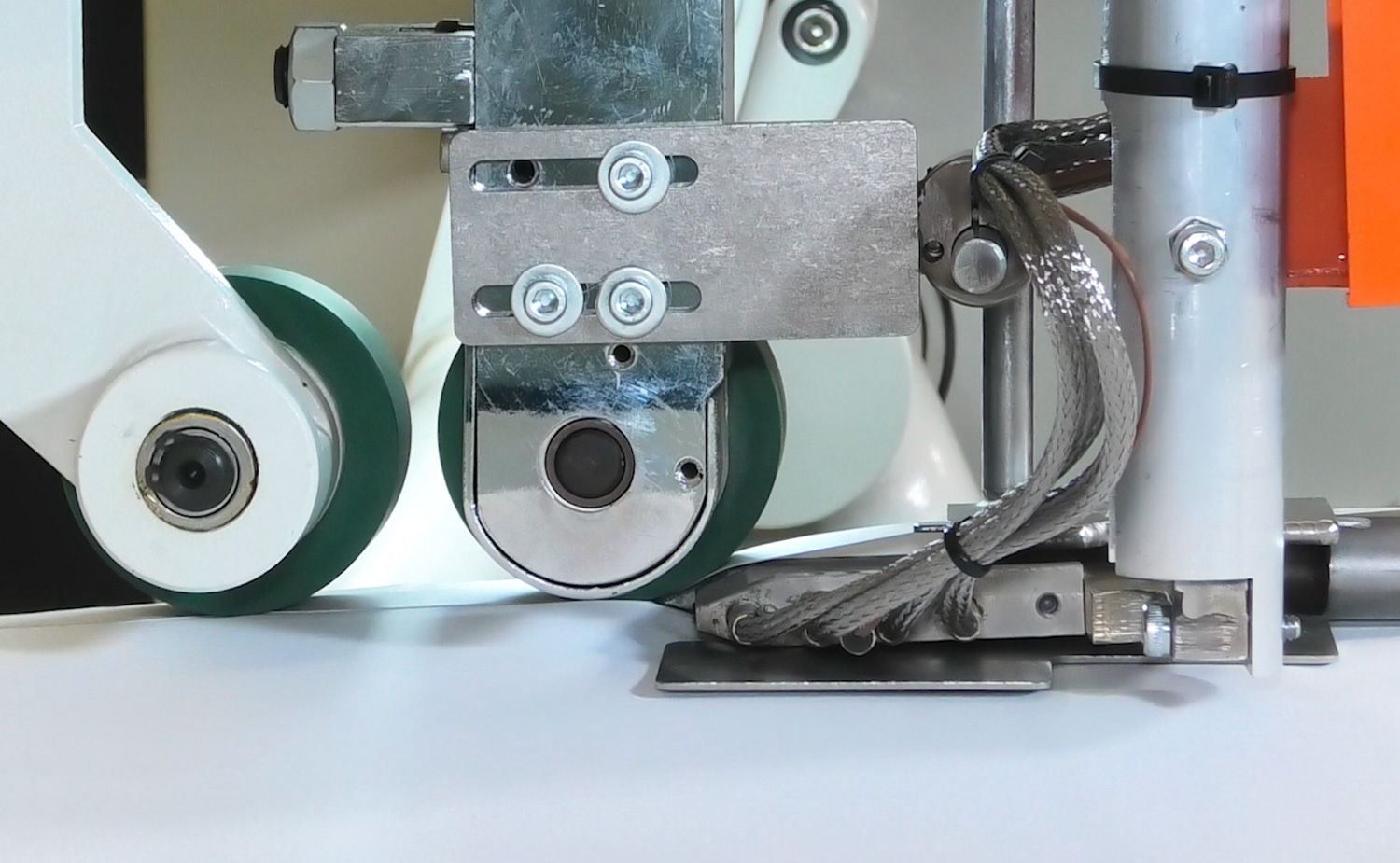

산업용 핫 웨지 용접 는 용접점 퓨즈에 정확하게 배치된 가열 웨지를 사용하여 열가소성 소재를 용접합니다. 그런 다음 이중 압력 롤러를 사용하여 재료 또는 필름을 가열된 쐐기를 가로질러 당겨서 오래 지속되는 이음새를 만듭니다.
종종 산업용 열풍 용접 기술과 함께 사용되는 핫 웨지 용접은 비용을 절감하고 효율성을 높이며 전반적인 제품 품질을 향상시킵니다. 두 기술 모두 열가소성 소재를 접합하여 기밀 및 수밀 이음새는 물론 곡선 및 직선 이음새를 만들어 튼튼하고 내구성 있는 제품을 만들 수 있습니다.
산업용 핫 웨지 용접은 제조업체에 부인할 수 없는 이점을 제공하지만, 한 가지 용도가 다른 용도보다 더 효과적일 수 있습니다. 핫 웨지 용접 솔루션에 투자할 시기가 되었는지 결정하는 데 도움이 되도록 주요 이점, 적용 분야 등을 아래에 요약해 보았습니다.
이 가이드에서는:
- How hot wedge welding works
- Top benefits of hot wedge welding
- Hot wedge welding applications
- Which materials can be hot wedge welded?
- Hot wedge welding vs. sewing, adhesives, and RF
- Tips for strong hot wedge seams
- Choosing the right hot wedge technology
- 자주 묻는 질문
핫 웨지 용접의 작동 원리
Hot wedge welding joins two layers of thermoplastic fabric or film with heat and pressure, without thread, needle holes, or adhesives. It happens in three steps:
- Heat: A heated metal wedge sits between the two layers and softens both surfaces by direct contact.
- Press: Pressure rollers right behind the wedge press the softened surfaces together and pull the material through the machine.
- Cool: The seam cools and sets into one airtight, watertight bond.
Because the heat comes from direct contact rather than moving air, hot wedge welding delivers steady heat and runs quietly. Seam quality depends on three settings working together: wedge temperature, travel speed, and roller pressure. See how temperature, speed, and pressure affect PP and PE seams.
핫 웨지 용접의 주요 이점
Industrial hot wedge welding technology offers specific benefits, dependent on each application. However, this technology is designed to increase production speed, enhance quality and improve overall consistency of products, specifically those that require a long, straight seam.
Consider the following benefits of an industrial hot wedge welding solution
- 제품의 수명을 늘리세요. 기밀 및 수밀 직선 이음새를 생성하여 용접된 제품 및 재료의 수명을 늘릴 수 있습니다.
- 매우 두꺼운 천으로 제품을 제작합니다. 여러 겹의 재료를 용접하여 견고한 제품을 제작합니다.
- 더 조용한 업무 환경을 조성하세요. 장비를 사용 중일 때 제조 공정에서 발생하는 소음을 제거합니다.
- Higher speed. Weld at up to 21 m/min (69 ft/min), depending on the machine, material and seam.
최고의 핫 웨지 용접 기술 응용 분야
산업용 핫 웨지 기술은 필름, 코팅 재료, 라미네이트 재료로 만든 제품을 만들거나 길고 직선적인 이음새가 필요한 제품을 만드는 데 자주 사용됩니다. 핫 웨지 기술의 이점을 누릴 수 있는 제품은 크기와 두께가 다양하지만 모두 견고하고 오래 지속되는 소재라는 동일한 목표를 염두에 두고 있습니다.
핫 웨지 용접 기술을 사용하면 가장 큰 이점을 얻을 수 있는 제품은 다음과 같습니다:
핫 웨지 기술로 용접할 수 있는 재료는 무엇입니까?
용접 요구 사항을 평가할 때 소재가 핫 웨지 용접 기술을 사용하여 용접할 수 있는지 여부를 결정하는 것도 중요합니다. 산업용 열가소성 직물 및 필름은 일반적으로 핫 웨지 용접에 이상적입니다:
- 폴리우레탄(PU)
- 폴리프로필렌(PP)
- 폴리염화비닐(PVC)
- 폴리에틸렌(PE)
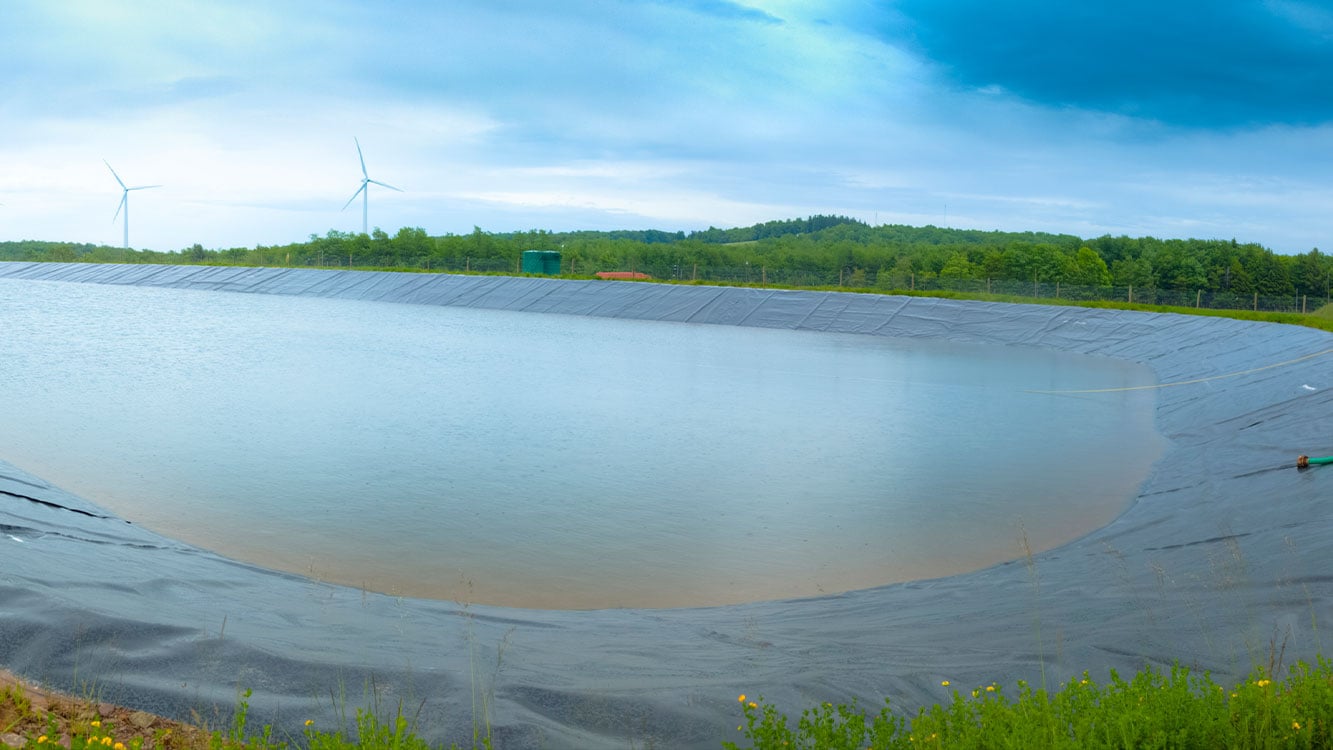
Hot wedge welding is generally not suitable for nonwoven geotextiles. For pond, landfill, and containment liners, see hot wedge welding for geomembranes and liners.
Hot Wedge Welding vs. Sewing, Adhesives, and RF
Here is how hot wedge welding compares with other ways to join industrial fabrics:
| 방법 | Strengths | Limits |
|---|---|---|
| 재봉 | Familiar, low upfront cost | Needle holes can leak, and thread wears over time |
| Adhesive bonding | Works on complex shapes | Curing time slows production |
| RF welding | Complex patterns and selective bonding in PVC and polyurethane | Only RF-suitable materials; higher equipment cost |
| 핫 웨지 용접 | Fast, airtight, watertight seams; cost-effective for long, straight seams and large-format materials | Needs welding equipment; best suited to straight seams |
Choosing between the two most common heat welding methods? Compare hot wedge vs. hot air welding.
Tips for Strong Hot Wedge Seams
Prepare the Material
- Clean: Remove dirt, dust, and oil that could interfere with bonding.
- Align: Line up the fabric layers so the seam runs straight and even.
- Test: Weld samples to find the right temperature and speed before production.
Fine-Tune the Process
- Adjust for thickness: Thicker materials usually need slower speeds and more heat.
- Keep pressure even: Even roller pressure gives a uniform seam.
- Check as you go: Inspect seams during production to catch defects early.
Avoid Common Mistakes
- Wrong temperature: Too much heat damages the material; too little leaves a weak bond.
- Skipped maintenance: Clean and inspect the wedge and rollers regularly.
- Too little training: Well-trained operators make fewer errors.
공정, 제품 또는 애플리케이션에 적합한 핫 웨지 기술을 결정하는 방법
적합한 산업용 핫 웨지 솔루션을 찾는 것은 재료, 기존 공정 및 현재 장비와 같은 다양한 요인에 따라 달라집니다. 사용 가능한 기술 옵션을 검토할 때는 숙련된 산업용 용접 전문가와 긴밀히 협력하여 목표를 달성하고 솔루션을 맞춤화하세요.
심사 과정에서 다음과 같은 기술 옵션을 고려하세요:
- T3 Extreme. 이 용접기는 배너 및 간판 제작에 필요한 모든 이음새를 생산하며 소규모 비즈니스를 염두에 두고 설계되었습니다.
- T300 익스트림 플렉스. 범용 용접기인 이 기술은 다양한 솔기 유형에 열풍 및 핫 웨지 기술을 사용합니다.
- T300 익스트림 쉐이드. 이 용접기는 직관적인 디자인으로 일관되고 쉬운 제품 제작을 제어합니다.
- T600 Extreme Flex. 이 기술은 다양한 솔기 유형과 확장된 직물 취급 지원 기능을 갖춘 열풍 또는 핫 웨지 용접 솔루션을 사용하여 효율적이고 간단한 설계 및 제어로 일관되고 쉬운 제품 제작을 지원합니다.
- Triad Extreme Universal. A portable hot wedge welder that runs at about 10 m/min (33 ft/min) and welds either stationary or traveling on a tabletop track.
기술 옵션을 평가할 때는 자신과 제조 파트너에게 다음과 같은 질문도 해보세요:
- 핫 웨지 용접으로 용접할 수 있는 열가소성 소재에는 어떤 종류가 있나요?
- 핫 웨지 용접 솔루션이 기존 장비와 함께 사용할 수 있나요? 아니면 전면적인 점검이 필요합니까?
- 제품에 길고 곧은 솔기가 필요한가요?
- 내 제품 출력 목표는 무엇인가요?
- 제품에 필름이 포함되어 있나요?
- 제조 과정에서 발생하는 소음을 줄이고 싶으신가요?
- 제조 공정을 강화하기 위해 여러 기술(자동화, 열풍, 핫 웨지)을 결합해야 하나요?
산업용 핫 웨지 기술에 대해 자세히 알아볼 준비가 되셨나요?
핫 웨지 용접 솔루션에 대해 더 자세히 알고 싶으신가요? Miller Weldmaster 전문가에게 문의하여 귀사의 애플리케이션에 가장 적합한 시스템에 대해 자세히 알아보세요.