Hot air welding technology utilizes specialized hot air welding machines that deliver controlled heated air at temperatures ranging from 700°F to 1,350°F combined with targeted pressure to create molecular bonds between thermoplastic materials. These advanced machines are central to the hot air welding technology process, enabling the formation of airtight, waterproof seams that often exceed the strength of the parent material itself.
This technology provides a comprehensive solution for thermoplastic joining, featuring various machine types and automation levels tailored to industry needs. Designed for professionals like manufacturing engineers and contractors, hot air welding machines improve production efficiency, weld quality, and long-term durability. Proper machine selection is essential to avoid issues such as inconsistent seam width, human error, and reduced product quality.
핫 에어 용접기 및 기술에 대한 핵심 내용
- 열가소성 소재에서 견고하고 균일한 용접부를 형성하기 위해서는 온도, 압력 및 속도 설정을 정밀하게 제어하는 것이 필수적입니다.
- 휴대용 장비부터 완전 자동화 장비에 이르기까지 다양한 기종은 각기 다른 생산량과 적용 분야의 요구 사항을 충족할 수 있도록 맞춤형 기능을 제공합니다.
- 자동화는 용접 효율을 높이고, 인적 오류를 줄이며, 장기적인 성능을 보장하기 위해 균일한 용접 이음매 품질을 확보합니다.
- 다양한 산업 분야에서 신뢰할 수 있고 내구성이 뛰어나며 기밀성이 확보된 이음매를 구현하기 위해서는 적절한 장비 선정과 유지보수가 필수적입니다.
열풍 용접이란 무엇인가요?
Hot air welding machines are precision equipment that create molecular bonds in thermoplastic materials through controlled application of heat and pressure. This welding process fundamentally differs from traditional metal welding by using heated air rather than electric arcs to achieve material bonding.
The core process involves directing a stream of heated air to the interface between two pieces of thermoplastic material. This heat softens the material surfaces until their molecular structure becomes mobile. Pressure rollers or manual application then compresses these softened surfaces together, creating bonds that form an airtight, waterproof seam.
This technology matters because it produces professional results without adhesives, solvents, or mechanical fasteners. The resulting joints demonstrate superior durability and can withstand demanding environmental conditions across many applications. For a step-by-step look at the process, see our guide to how hot air welding works.
주요 구성 요소 및 작동 원리
가열 소자는 다양한 재료와 두께에 걸쳐 일관된 용접 품질을 유지하는 데 필수적인 정밀한 온도 제어를 가능하게 합니다. 공기 공급 시스템은 압축 공기 장치를 활용하여 가열된 공기를 특수 노즐을 통해 집중적으로 분사합니다. 압력 가압 장치에는 용접 공정 중 균일한 접촉을 보장하는 전동 롤러나 수동 공구가 포함됩니다.
이러한 구성 요소들이 서로 연동되어 고품질 용접에 결정적인 정밀한 온도 및 압력 제어를 실현합니다. 최신 기계는 디지털 제어 기능을 갖추고 있어 최적의 용접 파라미터를 설정할 때 추측에 의존할 필요가 없으며 인적 오류를 줄여줍니다.
온도 및 압력 제어 시스템
Advanced control systems feature programmable settings that store optimized parameters for different thermoplastic materials including polyurethane, PVC, and TPO membranes. Temperature monitoring ensures consistent heat application while pressure regulation maintains uniform seam formation.
Automatic welders with digital controls can achieve efficiency levels impossible with purely manual processes while maintaining the ability to adjust parameters for specific manufacturing requirements.
열풍 용접기의 종류
휴대용 열풍 용접 토치
Handheld hot air welders are portable tools with variable temperature and airflow controls for detail work, field repairs, complex geometries and tight spaces. Miller Weldmaster’s EliteAir Industrial hot air welder weighs 2.4 lb (1.1 kg), reaches up to 1,202°F (650°C) and runs on 120–220 VAC for in-house or in-the-field repairs of industrial fabrics such as tarps, signs, inflatables, geomembranes and tension structures.
Manual hot air welders excel in applications requiring operator precision and flexibility. Their portability makes them ideal for on-site installation work and repair jobs where larger equipment cannot reach. However, the manual process requires skilled workers to maintain consistent speed and pressure for uniform results.
반자동 용접 시스템
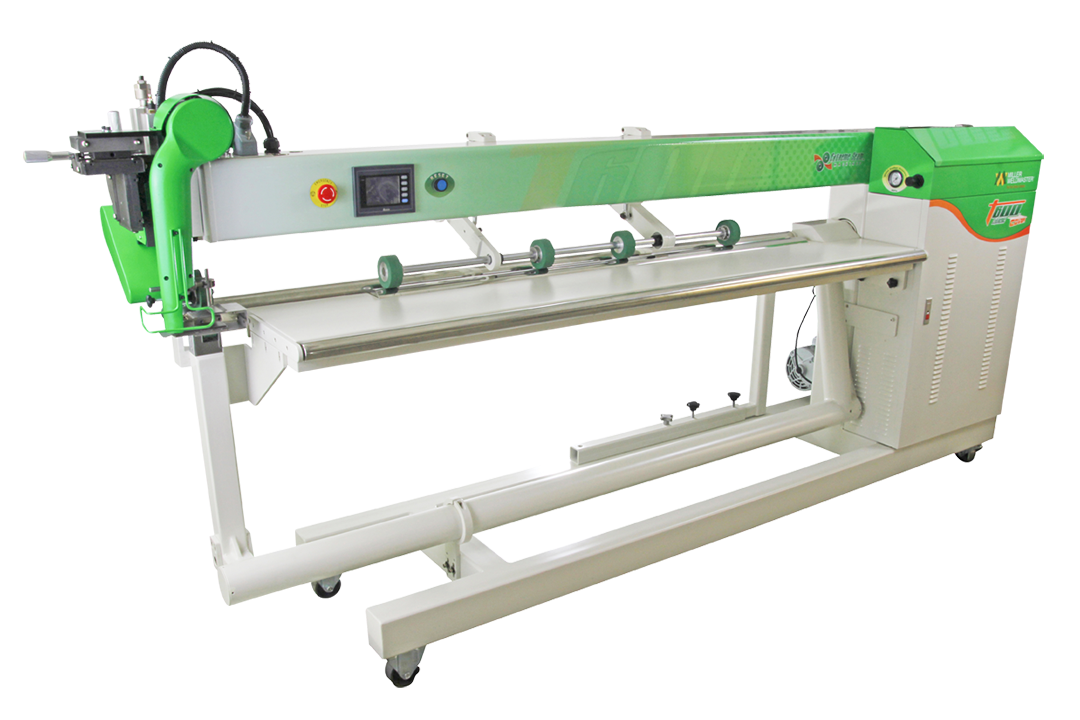
These systems combine motorized movement with operator control, delivering consistent speed settings while maintaining manual oversight capabilities. The automation eliminates inconsistencies in travel speed while allowing workers to adjust pressure and monitor weld quality in real-time.
Unlike handheld units, semi-automatic machines provide enhanced consistency through mechanized movement control. This approach benefits medium-volume production requiring a balance of flexibility and repeatability without the complexity of fully automated systems.
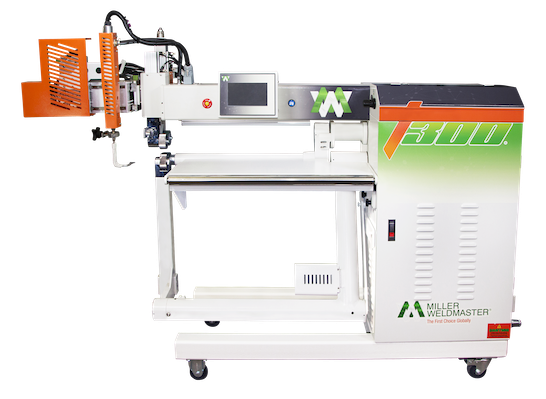
Miller Weldmaster’s entry-level machines weld at 8–14 m/min; its standard full-size machines store recipes for quick setting recall and weld at up to 35 m/min. The T300 Flex, its most universal welder, combines hot air and hot wedge welding with an array of seam types at up to 30 m/min (100 ft/min).
자동 용접기
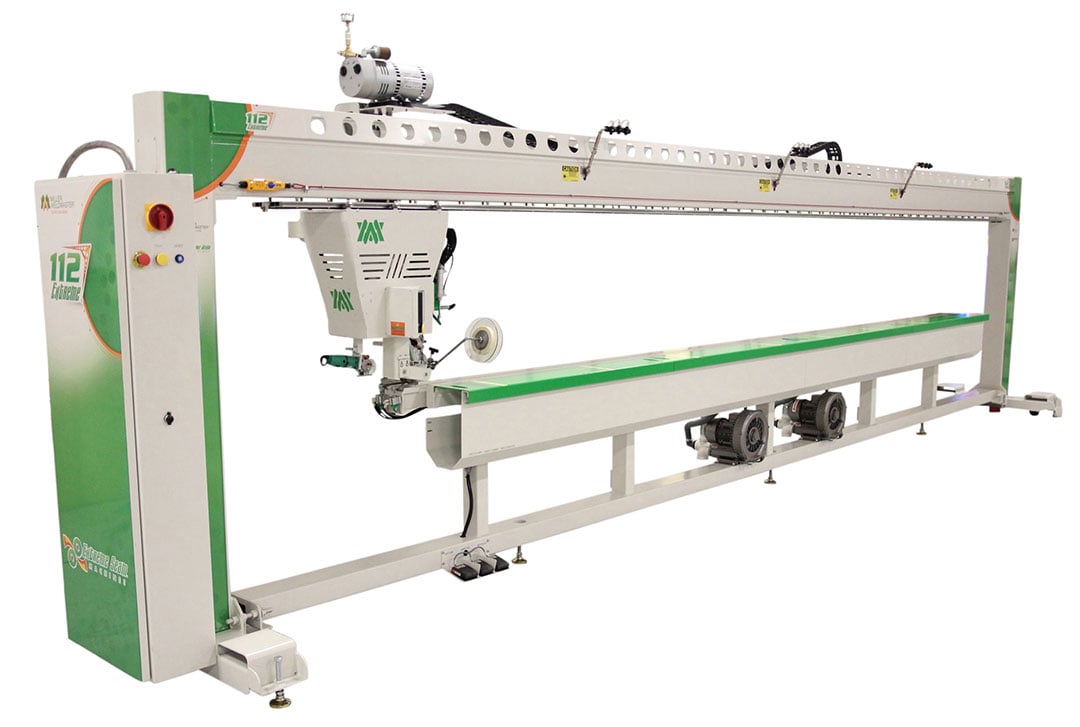
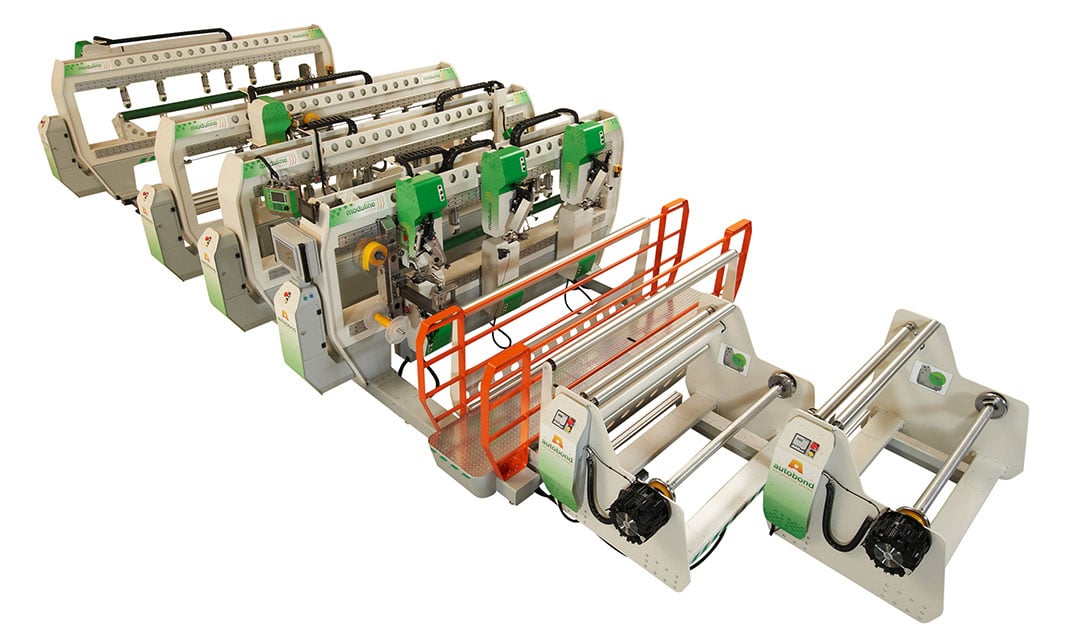
Fully automated systems feature programmable controls and high production efficiency. These purpose built machines store welding recipes for different materials and automatically adjust temperature, pressure, and speed settings.
Mass manufacturing applications benefit from reduced operator error and precise temperature and alignment control. The automation level achieves consistent seam width and eliminates variations that can lead to quality issues in high-volume production.
Miller Weldmaster’s automated welding machines are custom built. They can weld multiple rolls of material at once and combine welding with gluing, sewing, grommeting, printing, visual inspection and cutting, controlled from a PLC touch screen with recipe storage; the Moduline System, for example, automates tarp and cover production. Miller Weldmaster reports that most of its automation customers see a return on investment in under two years.
전문 장비
Some hot air welders are built for one product family. Miller Weldmaster’s specialized machines include the TG3600 for geomembrane liners and covers, the FX100 for flexible reinforced ducting and tubing, the BT2000 for flexible storage tanks and bladders, the HG50 banner finishing machine, which welds, grommets and cuts in a single station, and the Calibration Tube System for cured-in-place pipe. These specialized systems address specific industry requirements that general-purpose machines cannot efficiently handle.
산업용 응용 분야 및 열풍 용접기 선정 가이드
Building on the machine types available, successful implementation requires aligning each machine’s capabilities with the specific demands of your production environment. This includes evaluating how well the equipment supports your materials, workflow, and workplace conditions to ensure long-term performance.
단계별 안내: 열풍 용접기 선정 절차
Step 1 — Material Compatibility Assessment
사용할 소재의 열가소성 수지 종류, 두께 범위 및 온도 요구 사항을 확인하십시오. 장비를 구매하기 전에 다양한 온도 설정으로 용접 테스트를 수행하여 호환성을 확인하십시오.
Step 2 — Production Volume Analysis
귀사의 생산 처리량 요구 사항에 수동, 반자동 또는 자동 시스템 중 어떤 것이 가장 적합한지 판단하십시오. 현재 생산 능력과 향후 확장 요구 사항 모두를 고려하십시오.
Step 3 — Workplace Requirements Evaluation
이동성 요구 사항, 사용 가능한 전원 공급, 압축 공기 공급 여부 및 작업 공간의 제약 사항을 평가하십시오. 또한 안전 요건과 팀의 작업자 교육 역량도 고려하십시오.
Step 4 — Feature Prioritization
품질 기준과 효율성 목표에 따라 필수 제어 장치, 노즐 옵션 및 자동화 수준을 선택하십시오. 제조사의 서비스 지원 및 예비 부품 공급 현황도 고려하십시오.
핫에어 용접기 비교: 수동식 대 자동식 시스템
수동 시스템과 자동 시스템 중 어떤 것을 선택할지는 생산량 요구 사항과 품질 일관성 확보 필요성에 따라 달라집니다. 수동 시스템은 유연성이 뛰어나고 초기 비용이 저렴하지만, 전문적인 결과를 얻기 위해서는 숙련된 작업자가 필요합니다. 자동 시스템은 뛰어난 효율성을 제공하며 인적 오류를 방지해 주지만, 더 많은 자본 투자가 필요하고 지속적인 유지보수가 필요합니다.
적절한 장비를 선택하더라도, 작업자들은 용접 품질과 생산 효율성에 영향을 미치는 여러 가지 문제에 자주 직면합니다.
| 기능 | 수동 프로세스 | 자동 용접기 |
| 생산 속도 | Depends on the operator | Up to 35 m/min (115 ft/min) on Miller Weldmaster full-size machines |
| 초기 투자 | Lowest (handheld tools) | Higher; fully automated systems are custom built |
| 운영자 숙련도 필요 | 높은 전문성이 요구됨 | 기본 훈련만으로도 충분하다 |
| 일관성 | 변동적이며, 근로자의 숙련도에 따라 달라집니다 | 디지털 제어 기능을 통한 일관된 결과 |
| 유지 관리 요구 사항 | 간단한 기본 청소 | Regular calibration and component replacement |
열풍 용접 공정에서 흔히 발생하는 문제와 해결 방안
일반적인 운영상의 문제를 파악하면 제조 공정 전반에 걸쳐 일관된 품질을 유지하고 장비의 성능을 극대화하는 데 도움이 됩니다.
과제 1: 용접 품질의 불균일성
해결책: 메모리 기능이 탑재된 디지털 온도 제어 장치를 도입하고, 팀을 대상으로 포괄적인 작업자 교육 프로그램을 마련하십시오.
온도 정확성을 보장하기 위해 정기적으로 교정 절차를 수행해야 하며, 품질 모니터링 프로토콜을 통해 생산에 영향을 미치기 전에 편차를 조기에 파악할 수 있습니다. 표준화된 용접 절차를 수립하면 작업자와 교대조에 따른 변동성을 줄이고 전반적인 품질을 향상시킬 수 있습니다.
과제 2: 재료 호환성 문제
해결책: 특정 열가소성 소재의 적정 온도 범위를 확인하고, 소재 두께에 적합한 노즐을 선택한 후, 본격적인 양산에 들어가기 전에 시험 용접을 실시하십시오.
제조사마다 소재 사양이 크게 다르기 때문에, 새로운 소재를 사용할 때마다 용접 매개변수를 검증해야 합니다. 호환성 표는 초기 온도 설정에 참고가 되지만, 실제 시험 용접을 통해야만 최적의 매개변수를 가장 확실하게 확인할 수 있습니다.
과제 3: 장비 유지보수 및 가동 중단
해결책: 예방 정비 일정을 수립하고 충분한 예비 부품을 확보하여 생산 중단을 최소화하십시오.
정기적인 청소 절차를 통해 열전달 및 공기 흐름에 영향을 줄 수 있는 이물질 축적을 방지할 수 있습니다. 사용 시간을 기준으로 한 부품 교체 일정을 수립하면, 막대한 비용이 드는 가동 중단 및 납기 지연을 초래할 수 있는 예기치 못한 고장을 예방하는 데 도움이 됩니다.
열풍 용접기 및 기술의 활용 사례
Hot air welding machines and hot air welding technology play a vital role across a wide range of industries and product applications where strong, durable, and airtight seams are essential. Their ability to create seamless bonds in thermoplastic materials makes them ideal for manufacturing products that require high performance and long-term durability. Whether in factory settings or on-site installations, these machines provide efficient and reliable solutions for joining sheets, membranes, and coated fabrics.
Common applications include industrial fabric fabrication, roofing membrane installation, and the production of inflatables and tarpaulins. The versatility of hot air welding technology allows it to accommodate various material thicknesses and seam widths, making it suitable for both small detail work and large-scale manufacturing processes. Additionally, portable hot air welders enable field repairs and maintenance, extending the usability of products and reducing downtime.
사용 사례
- 방수포, 덮개 및 트럭 측면 커튼
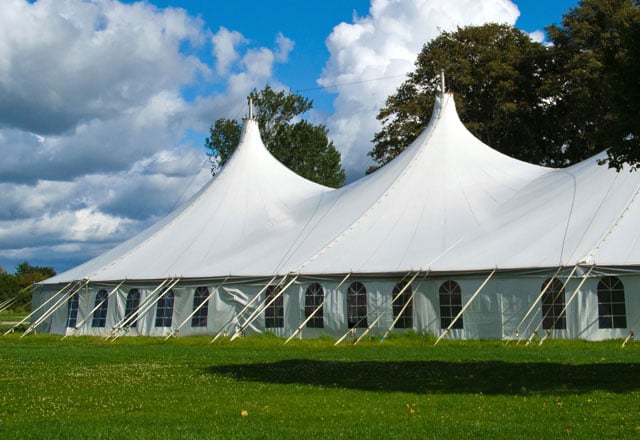
- Tents, shelters, structures and clear span buildings
- Banners, signs and billboards
- Awnings, shades, tension structures and pergolas
- 수영장 덮개 및 수영장
- Geomembrane liners and roofing membranes
- Flexible storage tanks and bladders
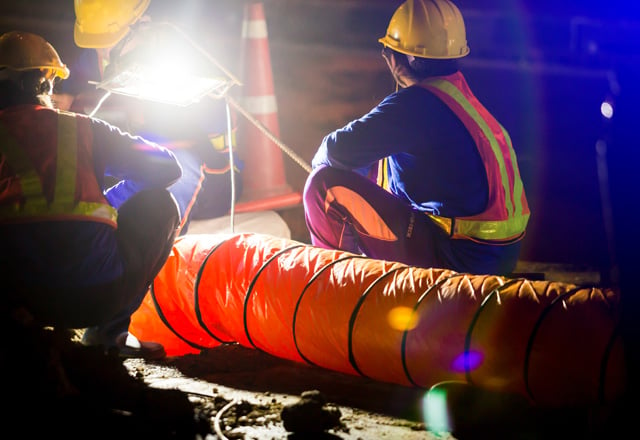
- Flexible ducting and tubes
- Inflatables, evacuation slides and containment booms
- Cured-in-place pipe and filtration tubes
- Agricultural and gym curtains, roller doors, mattresses and athletic mats
- On-site repairs with handheld welders
핫 에어 용접기가 Miller Weldmaster 선택하세요
Miller Weldmaster )의 열풍 용접기는 적절히 선정하고 운용할 경우 열가소성 소재 접합 작업에 다용도로 활용될 수 있는 솔루션을 Miller Weldmaster . Miller Weldmaster첨단 기술은 접착제나 용제 없이도 내구성이 뛰어나고 기밀성이 확보된 접합부를 형성하는 데 있어 상당한 이점을 제공하므로, 신뢰할 수 있는 이음새 성능이 요구되는 산업 분야에서 필수적인 역할을 합니다.
Miller Weldmaster 시작하기
- Step 1: Define Your Requirements
Assess your material requirements and production volume needs with Miller Weldmaster’s expert guidance. - Step 2: Evaluate Your Workspace
Evaluate workspace constraints and automation benefits tailored to your application by Miller Weldmaster specialists. - Step 3: Connect with an Expert
Contact Miller Weldmaster equipment experts to discuss specific machine capabilities, request demonstrations, and receive personalized support to optimize your welding process.

 자세히 알아보기