Acrylic fabric bonding is an industrial process that joins acrylic canvas, awning, and marine fabrics using heat-activated adhesive tape — creating seams that are stronger, more durable, and leak-resistant compared to traditional sewing.
Miller Weldmaster 접착 공정의 모든 단계를 Miller Weldmaster . 아크릴 원단이 열에 어떻게 반응하는지, 생산량에 적합한 용접 방법은 무엇인지, 접착 이음매가 봉제 방식과 어떻게 다른지, 그리고 가장 흔한 접착 결함을 예방하는 방법까지 상세히 안내합니다. 소규모 차양 전문점이든 대량 생산 라인을 운영하는 곳이든, 이 정보는 구매 결정에 직접적인 도움이 될 것입니다.
Acrylic fabric cannot be thermoplastic-welded like PVC because it does not melt and re-fuse — bonding with heat-activated adhesive tape is required instead.
Hot air, hot wedge and impulse welding methods can all activate acrylic bonding tape to create strong, durable seams.
접착식 아크릴 솔기는 아크릴 캔버스를 재봉할 때 가장 흔히 발생하는 세 가지 문제인 실 색 바램, 바늘 구멍으로 인한 누수, 그리고 실의 수명 단축을 방지합니다.
공정 제어(온도, 압력, 기계 속도)는 생산 환경에서 이음매 강도와 일관성을 결정하는 가장 중요한 요소입니다.
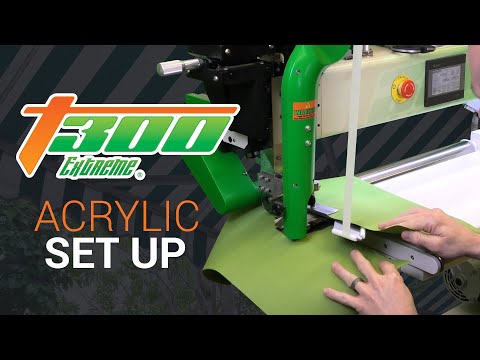
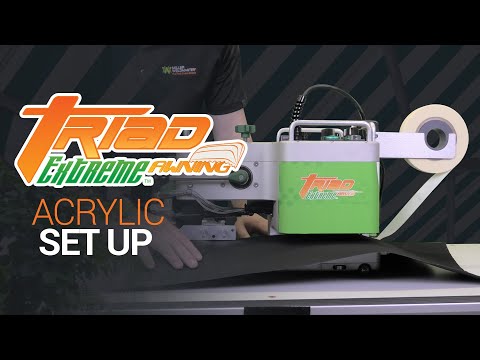
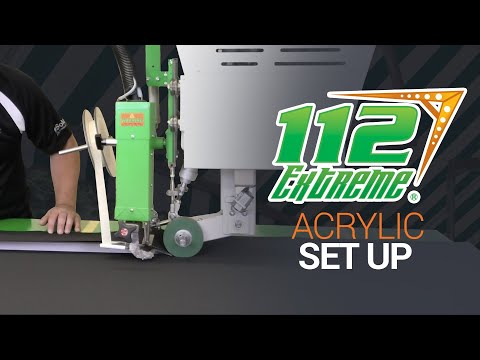
Miller Weldmaster )는 T300 익스트림(Extreme), 트라이어드 익스트림(Triad Extreme), 112 Extreme( 112 Extreme)을 포함하여 아크릴 접착에 특화되어 정밀하게 조정된 장비를 Miller Weldmaster .
아크릴 원단 용접이란 무엇인가요?
The industrial process of permanently joining two or more pieces of acrylic fabric using a heat-activated adhesive tape, applied through a controlled welding machine. The result is a seam that is fully sealed, weather-resistant, and structurally superior to traditional sewn seams for most outdoor and marine applications.
Unlike PVC or polyurethane fabrics that melt and re-fuse under direct heat, acrylic fabric needs a heat-activated adhesive tape as the bonding agent — not raw heat — to create a permanent seam. Understanding this distinction is the starting point for anyone selecting a machine or setting process parameters for acrylic production.
아크릴 원단이 PVC처럼 용접될 수 없는 이유
The core technical distinction: acrylic is a woven synthetic fiber, not a thermoplastic film. PVC and polyurethane fabrics melt under heat and re-fuse when pressure is applied — that is what direct thermoplastic welding exploits. Acrylic fabric does not behave this way. Apply direct heat without an adhesive and you risk glazing or scorching the surface without creating any seam bond. This is the most common misunderstanding buyers bring to the conversation, and it matters because it affects machine selection, tape selection, and every process parameter setting in production.
How Acrylic Adhesives Work
열 접착 공정은 두 장의 아크릴 원단 사이에 양면 접착력이 강한 적층형 접착 테이프를 끼워 넣는 방식으로 진행됩니다. 용접기가 열을 가해 접착제를 활성화시키고, 접착 롤러와 바에서 가해지는 압력으로 접착을 고정시킵니다. 모든 생산 공정에서 다음 순서를 따르십시오:
- Position laminated bonding tape between the two acrylic fabric pieces, fully seated within the seam allowance.
- Apply controlled heat via the welding method — hot air, hot wedge or impulse — to activate the adhesive at the correct temperature range for acrylic.
- Apply pressure through bonding rollers and bars to consolidate the seam and ensure full contact between the tape adhesive and both fabric surfaces.
- Allow cooling before handling to achieve full bond strength. Pulling a seam before it has cooled is one of the most common causes of weak seams.
Properties of Acrylic Fabric
아크릴은 특유의 성능 덕분에 차양, 선박 및 야외용 제품 제조 시장에서 높은 가격을 형성하고 있습니다. 아크릴의 가치를 높이는 바로 그 특성들 때문에 적절한 접착이 매우 중요합니다. 아크릴 제품의 이음새가 제대로 처리되지 않으면 제조 공정뿐만 아니라 원단 자체의 성능에도 영향을 미치기 때문입니다.
- 자외선 저항성: 장시간 햇빛에 노출되어도 색 바램이나 표면 손상을 방지합니다. 이는 차양 및 선박용 원단 제조업체들이 이 소재를 주로 선택하는 주된 이유입니다.
- 땀 흡수 및 배출: 수분을 흡수하지 않고 표면에서 배출하여, 젖은 환경에서도 원형 그대로의 형태를 유지합니다.
- 내유성 및 내화학성: 오염 물질이 존재하는 산업 및 해양 환경에서도 안정적으로 작동합니다.
- 높은 인장 강도와 내구성을 자랑하며, 어닝 프레임과 차양 구조물에 가해지는 장력을 늘어나거나 처짐 없이 견딥니다.
- 실외 내후성: 혹한의 겨울철 보관 환경부터 여름철 직사광선에 노출되는 극한 온도 조건에 이르기까지 구조적 안정성을 유지합니다.
Acrylic Fabric Bonding Methods: Comparing Hot Air, Hot Wedge and Impulse Welding
Choosing the right bonding method for acrylic fabric comes down to three variables: your production volume, your typical seam geometry, and the weight of the acrylic material you run. Each method activates the same heat-activated adhesive tape — what differs is how the heat is delivered and how fast the machine can move through a seam. The table below maps each method to the production context it serves best.
The most important thing to understand about the table below: none of these methods involve melting the acrylic fabric itself. Every row describes a mechanism for activating the adhesive tape. The fabric stays intact. The bond forms between the tape and the fabric surface, not between two fabric surfaces fused together.
Machine Settings for Acrylic Bonding: Temperature, Pressure, and Speed
Acrylic fabric requires a lower heat band than vinyl or PVC. The exact range depends on the specific acrylic blend and coating weight, but the guiding principle holds across materials: if you can see surface glazing on the fabric face, the temperature is too high. Reduce heat before increasing speed to compensate.
속도가 중요한 이유는, 접착 지점에서 원단이 열에 노출되는 시간인 ‘체류 시간’이 접착제가 흡수하는 에너지의 양을 직접적으로 좌우하기 때문입니다. 적정 온도에서 작업 속도를 너무 빠르게 하면 접착제가 충분히 활성화되지 않습니다. 반대로 적정 온도에서 작업 속도를 너무 느리게 하면 원단이 타버릴 위험이 있습니다. 올바른 균형을 찾는 방법은 계산이 아니라 시험 봉제를 통해 확인해야 합니다.
압력 설정은 활성화된 접착제가 두 직물 표면에 얼마나 잘 밀착되는지에 영향을 미칩니다. 압력이 너무 약하면, 특히 솔기 가장자리 부분에서 접착이 불완전해집니다. 가벼운 아크릴 캔버스에 과도한 압력을 가하면 직물의 조직이 뒤틀려 완제품에 외관상의 문제가 발생할 수 있습니다.
새로운 원단 로트로 본격적인 생산을 시작하기 전이나 기계 설정을 변경한 후에는, 반드시 동일한 소재의 자투리 천으로 시험 봉제를 수행하고 박리 시험을 거친 후 본격적으로 작업에 착수하십시오. Miller Weldmaster 응용 전문가들이 귀사의 특정 원단과 기계 모델에 맞는 초기 설정 값에 대해 조언해 드릴 수 있습니다.
| 방법 | 작동 원리 | 가장 적합한 | 속도 | 주요 고려 사항 |
|---|---|---|---|---|
| 열풍 용접 | Controlled hot air stream activates adhesive tape between fabric layers | 직선 솔기, 중~대량 차양 생산 | 중간에서 빠른 속도 | 온도 조절이 매우 중요합니다. 온도가 너무 높으면 아크릴 표면에 유리가 생기는 현상이 발생합니다. |
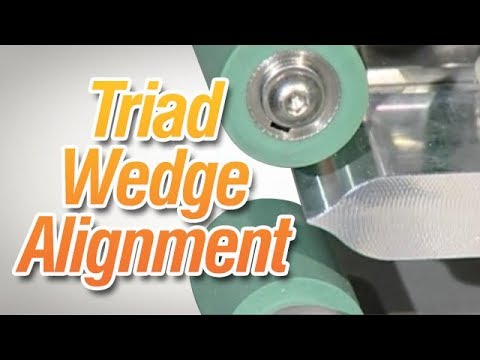
| 핫 웨지 용접 | 가열된 금속 웨지가 직물 층에 직접 접촉하여 테이프 접착을 활성화합니다 | 두꺼운 아크릴 캔버스에 길고 연속적인 이음새 | 빠른 속도로 연속 주행 | 정밀한 웨지 정렬이 필요하며, 소량 생산 시 준비 시간이 더 오래 걸립니다 |
| 임펄스 용접 | 밀봉 부품을 통해 가해지는 짧고 정밀하게 제어된 열 펄스가 테이프 접착을 활성화합니다 | 더 짧은 솔기 길이, 소규모 작업장, 다양한 솔기 형상 | 사이클당 속도는 느리지만 유연함 | 일정한 체류 시간은 일관된 이음새 강도를 확보하는 핵심 요소입니다 |
Acrylic Fabric Bonding vs. Sewing: Why Industrial Manufacturers Are Making the Switch
Sewing has been the standard joining method for acrylic canvas for decades. It works — up to a point. At production scale, and across the service life of outdoor and marine products, three specific failure modes consistently push fabricators toward bonded seams. Understanding each one helps explain why the switch from sewing to bonding is not just a process upgrade but a warranty and quality management decision.
The Hidden Costs of Sewing Acrylic: Thread Fade, Needle Holes, and Rework
실의 변색이 가장 흔한 결함 유형입니다 . 아크릴 원단은 자외선 차단 기능을 갖도록 설계되어 수년간 직사광선에 노출되어도 색상과 구조적 안정성을 유지합니다. 하지만 실은 그렇지 않습니다. 아크릴 캔버스를 재봉하는 데 사용되는 폴리에스터나 나일론 실은 원단 자체보다 더 빨리 열화됩니다. 그 결과, 훼손되지 않은 원단 사이로 변색된 실이 드러나는 등 시각적으로 눈에 띄는 불일치가 발생합니다. 보증 의무를 지닌 차양 전문점에게 실의 변색은 단순한 미관상의 문제가 아니라, 고객 반품 사유가 되는 문제입니다.
바늘 구멍으로 인한 누수가 두 번째 결함 유형입니다 . 바느질 한 땀마다 원단에 구멍이 생깁니다. 실이 새것이고 손상되지 않았을 때는 이 구멍을 메워 어느 정도 방수 기능을 유지합니다. 하지만 자외선에 노출되어 실이 약해지면 구멍이 벌어집니다. 그러면 물이 솔기 사이로 스며들게 되는데, 이는 바로 아웃도어 제품이나 해양용 제품이 방지하기 위해 설계된 바로 그 결함 유형입니다.
Rework costs compound both problems. Re-sewing an acrylic seam requires removing the old thread, resetting the sewing machine, and running the seam again — with a real risk that the needle holes from the first pass compromise the repair. Running the same seam through a bonding machine after initial validation takes a fraction of the time. At production scale, the labor differential adds up to a meaningful cost per linear foot.
접착 강도: 접착 처리된 아크릴과 봉제의 차이
The industry benchmark for awning and marine seams is 60–80% of base fabric tensile strength. A seam below that range is a warranty risk; a seam at or above it holds for the product's expected service life. Properly bonded acrylic seams with correctly specified heat-activated tape consistently reach this benchmark — and maintain it throughout the product's life because the bond is not subject to UV degradation the way thread is.
봉제 이음매는 초기에는 비슷한 강도 수치를 보일 수 있습니다. 하지만 시간이 지남에 따라 차이가 발생합니다. 실이 마모되면 이음매의 강도가 떨어집니다. 반면 접착 이음매는 이러한 마모 현상이 발생하지 않습니다. 제품에 수년 간의 보증을 제공하는 제조업체의 경우, 접착 이음매가 더 위험이 적은 사양입니다.
| Issue | 봉제된 아크릴 이음매 | 접착 아크릴 이음매 |
|---|---|---|
| 이음매의 방수성 | 바늘 구멍으로 인해 손상되며, 자외선에 노출되면 시간이 지남에 따라 품질이 저하됩니다 | Fully sealed seam — no needle holes, watertight throughout service life |
| 시간이 지남에 따라 실이 바래다 | 원단이 파손되기 전에 실의 색상과 강도가 먼저 약해진다 | 솔기가 보이지 않음 — 솔기의 내구성이 원단의 수명과 동일함 |
| 바늘 구멍으로 인한 누수 | 바느질 한 땀 한 땀이 구멍이 되는 셈이며, 실이 약해질수록 상황은 더 악화됩니다 | Eliminated — adhesive tape fills and seals the seam line |
| 생산 속도 | 노동 집약적이며, 작업자의 숙련도와 기계의 실 끼우기에 좌우된다 | 일관된 처리량; 기계 설정을 통해 재현 가능한 결과물 확보 |
| 이음새 재작업률 | 다시 꿰매는 데는 시간이 많이 걸리며, 원단을 교체해야 할 수도 있습니다 | 공정 파라미터가 올바르게 설정되면 재작업이 최소화됩니다 |
| 피트당 인건비 | 증가 — 실 비용, 바늘 교체 횟수, 작업자 가동 중단 시간 | 설정이 검증되면 생산 규모로 축소 |
아크릴 직물 접착이 활용되는 분야 — 산업 및 응용 분야
아크릴 캔버스를 주로 사용하는 산업 분야들은 자외선, 습기, 기계적 스트레스에 장기간 노출된다는 공통된 운영 환경을 가지고 있습니다. 바로 이러한 조건들 때문에 봉제 방식의 결함 발생 가능성이 가장 높으며, 접착 이음매의 중요성이 더욱 부각됩니다. 다음은 Miller Weldmaster )가 아크릴 접착 솔루션을 Miller Weldmaster 주요 산업 분야입니다.
차양 및 그늘막 구조물
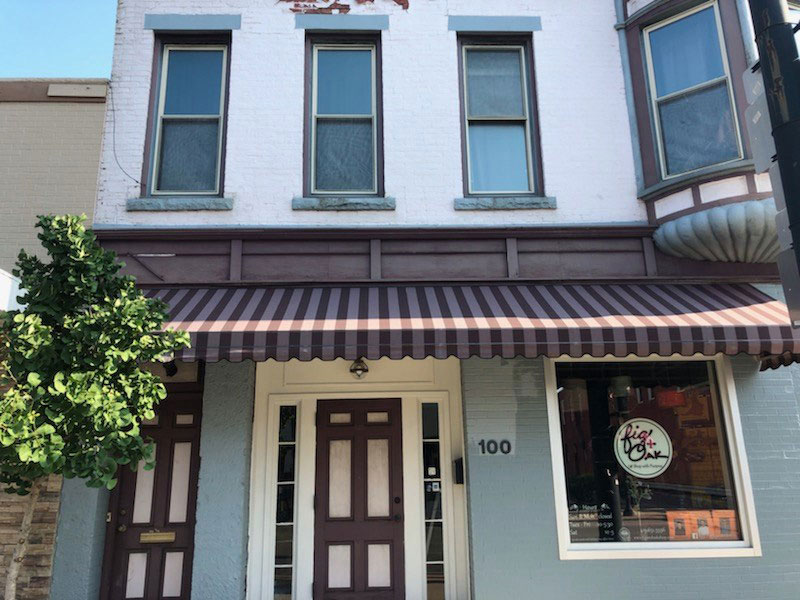
Awning fabrication is one of the main applications for acrylic fabric bonding. A commercial awning stays under UV and rain load for years before it is replaced, and sewn seams often show thread fade and needle hole leaks long before the fabric itself fails, which leads to customer callbacks and warranty claims.
Bonded seams address both failure modes. The awning keeps sealed seams through its service life, the fabricator handles fewer callbacks, and seam quality becomes a selling point when bidding commercial projects. See how four Miller Weldmaster machines transformed production at Lehr Awning in our acrylic awning case study.
마린 캔버스 및 보트 커버
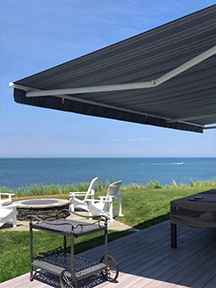
해양용 제품은 차양용 제품이 이미 겪고 있는 자외선 및 습기 노출에 더해 염분과 지속적인 팽창 및 수축을 동반합니다. 이러한 조건은 그 어떤 환경보다도 실의 열화를 가속화시키며, 자외선 강도가 높고 염분이 함유된 물보라가 흩날리는 환경에서는 바느질로 제작된 해양용 캔버스 제품이 단 한 번의 보트 시즌 만에 이음새에서 물이 새는 현상이 발생할 수 있습니다.
Bonded seams maintain watertight integrity across the flex cycles and chemical exposure that marine environments impose. Bimini tops, boat covers, and dodgers are the most common marine products where fabricators make the switch from sewing to bonding — and where the quality difference is most visible to the end customer.
야외 레저 및 가구
파티오 가구 커버, 파라솔 캐노피, 야외용 쿠션 커버는 차양과 마찬가지로 자외선과 습기에 노출되지만, 여기에 소비자가 직접 접하는 미적 요소가 더해집니다. 이음새가 눈에 띄기 때문입니다. 고급 야외 가구 제품의 봉제 이음새에서 실 색이 바래거나 바느질 선이 고르지 않게 나타나면, 실제로 이음새가 파손되었는지 여부와 관계없이 구매자에게 품질 문제가 있다는 인상을 주게 됩니다.
본딩 솔기는 시각적으로 깔끔합니다. 바느질 자국이 보이지 않고 실의 변색도 없습니다. 아웃도어 레저 시장의 프리미엄 부문에 제품을 포지셔닝하는 제조사들에게 있어, 본딩 솔기가 주는 미적 장점은 구조적 이점만큼이나 상업적으로 중요합니다.
특수 산업용 응용 분야
Beyond traditional outdoor and marine applications, acrylic fabric bonding serves filtration bags, protective covers, and custom industrial enclosures where chemical resistance and seam integrity under mechanical stress are non-negotiable requirements. In these applications, a sewn seam is often disqualified from the specification outright — the perforation risk is incompatible with the containment requirement. Bonded acrylic seams provide the fully sealed surface these applications demand.
Choosing the Right Machine for Acrylic Fabric Bonding
귀사의 작업 환경에 적합한 장비는 세 가지 변수에 따라 결정됩니다. 즉, 교대당 생산량, 제품에 필요한 이음매 형태, 그리고 사용하는 아크릴 원단의 두께입니다. 아래 표는 이러한 변수들을 Miller Weldmaster 장비 범주와 대조한 것입니다. 이 표는 최종 사양서가 아니라, 애플리케이션 전문가와 상담을 시작할 때 참고할 수 있는 출발점으로 생각해 주시기 바랍니다.
Match the Machine to Your Production Volume
소량 생산 및 소규모 작업장 운영
For shops bonding shorter runs, varied seam geometries, or a wide mix of acrylic products, impulse welding is typically the right starting point. The lower capital cost matches the production profile, and the flexibility to handle different seam lengths without major setup changes suits shops where no two jobs are identical.
Output profile: impulse machines handle seam lengths from a few inches to several feet, with cycle times that match manual-feed production paces. The key process variable is dwell time — the duration of the heat pulse. Getting that right for your specific tape and fabric combination is a one-time calibration that then produces consistent seams across the run.
중형 차양 및 선박용 직물 제조업체
Awning shops and marine canvas fabricators producing at mid-volume — regular production schedules, consistent fabric weights, and long continuous seam requirements — are the natural fit for hot air and hot wedge welding machines. Continuous seam production at consistent speeds is where these machines outperform impulse alternatives on a cost-per-linear-foot basis.
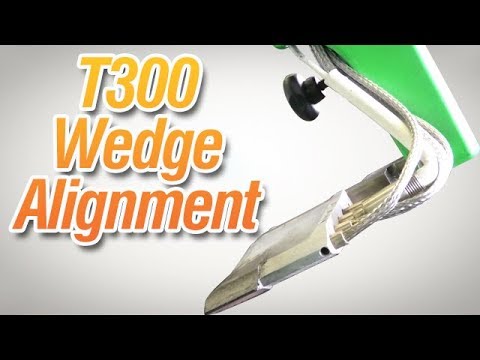
The T300 Extreme and 112 Extreme are Miller Weldmaster's purpose-built solutions for this production profile. Both are calibrated for acrylic bonding — the temperature range, pressure systems, and feed mechanisms are designed for the lower heat requirements and precise speed control that acrylic fabric demands.
대량 및 자동화 생산 라인
Manufacturers producing at scale — where the cost of machine downtime and seam rework is measured in production hours, not individual jobs — need machines with higher throughput and automation capability. High-speed hot air and hot wedge machines and automated bonding systems address that requirement.
The Triad Extreme and Miller Weldmaster's custom automation options serve this segment. The focus at this production level is not just machine capability but system integration: how the bonding station fits into the broader production line, what upstream and downstream handling looks like, and how quality control is built into the process rather than applied after it.
아크릴 접착 시 흔히 발생하는 문제점 — 그리고 이를 예방하는 방법
아크릴 접착은 공정 매개변수가 올바르게 설정되었을 때 일관되게 견고한 접합부를 형성합니다. 그렇지 않을 경우, 실패 원인은 거의 항상 과도한 열, 불충분한 압력, 또는 생산 공정 전반에 걸친 설정 불일치 중 하나로 귀결됩니다. 이러한 각 실패 유형은 예방이 가능합니다.
Failure Mode 1: Surface Glazing or Scorching
Surface glazing occurs when the temperature setting is too high for the specific acrylic fabric being bonded. Acrylic coatings — particularly the solution-dyed finishes used on premium awning and marine canvas — are sensitive to excess heat. Glazing affects both seam appearance and bond strength, because the adhesive on the tape may over-activate and lose structural integrity before the seam is set.
Prevention: Run a test seam at the lower end of your temperature range before committing to a production run on any new fabric lot. If glazing appears, reduce temperature before increasing speed. Slower speed at a lower temperature is consistently more reliable than faster speed at a higher one for acrylic materials.
Failure Mode 2: Peel Failure at the Seam Edge Due to Surface Energy
Edge peel is the result of insufficient pressure during bonding, or adhesive tape that was not fully seated within the seam allowance before heat was applied. The center of the seam may bond correctly while the edges lift — a failure that becomes visible immediately on peel testing or, worse, in the field after installation.
Prevention: Verify tape placement before feeding material through the machine. Confirm pressure roller settings are within the recommended range for the fabric weight. After the first seam of any production run, conduct a 10-minute peel test — pull the seam apart by hand at the edge — before continuing. If the edge peels cleanly, adjust before proceeding.
Failure Mode 3: Bonding Inconsistency Across a Production Run
Run-to-run inconsistency is the hardest failure mode to diagnose because individual seams may look acceptable while aggregate seam strength varies. The two most common causes are machine settings that drift over a long production run — particularly temperature, which can creep as the machine reaches thermal equilibrium — and fabric lot variation, where different coating weights or acrylic blends require different parameter settings.
Prevention: Calibrate machine settings at the start of each shift, not just at initial setup. When switching to a new material lot, treat it as a new material — run a test seam and validate before full production. Sample seam strength testing throughout a run (not just at the beginning) catches drift before it becomes a quality issue. Miller Weldmaster's service and training programs cover production calibration protocols for each machine model.
왼쪽에 원단이 표시되지 않는 경우 당사에 문의하여 원단 용접에 필요한 사항을 알려주세요.